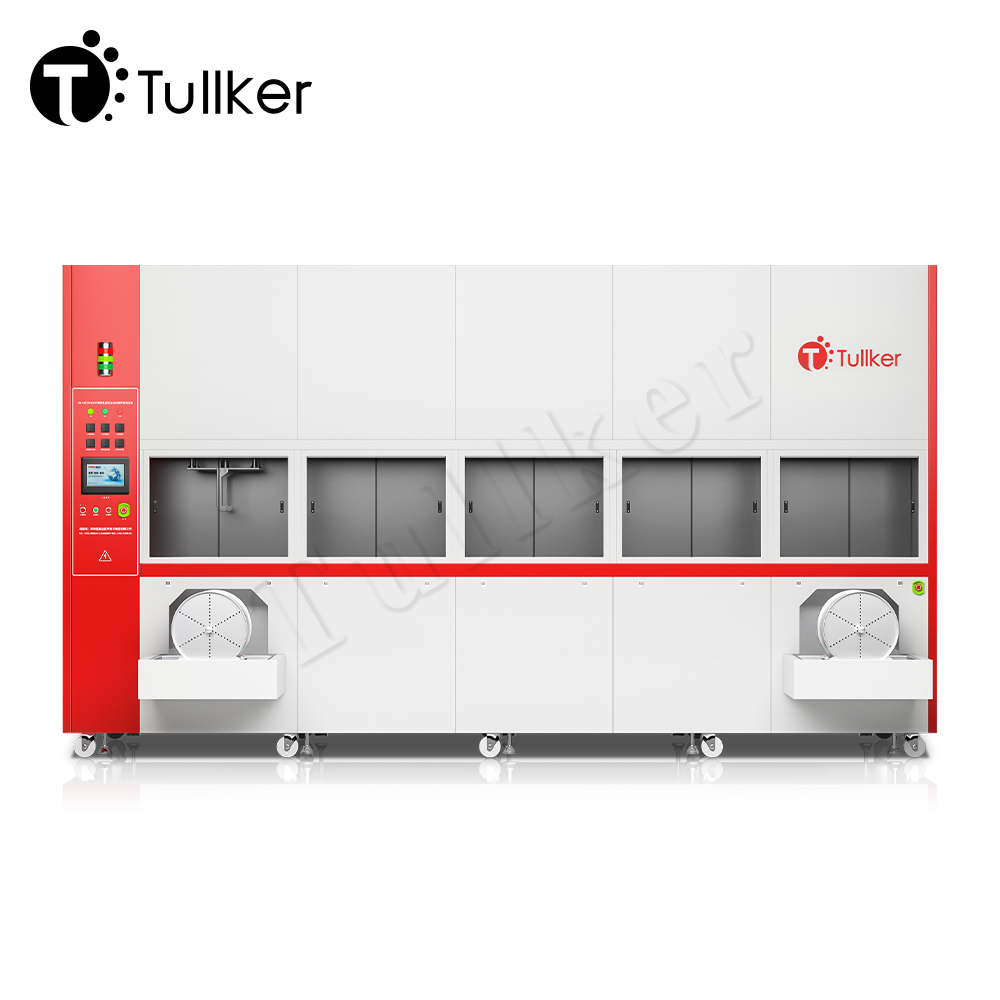


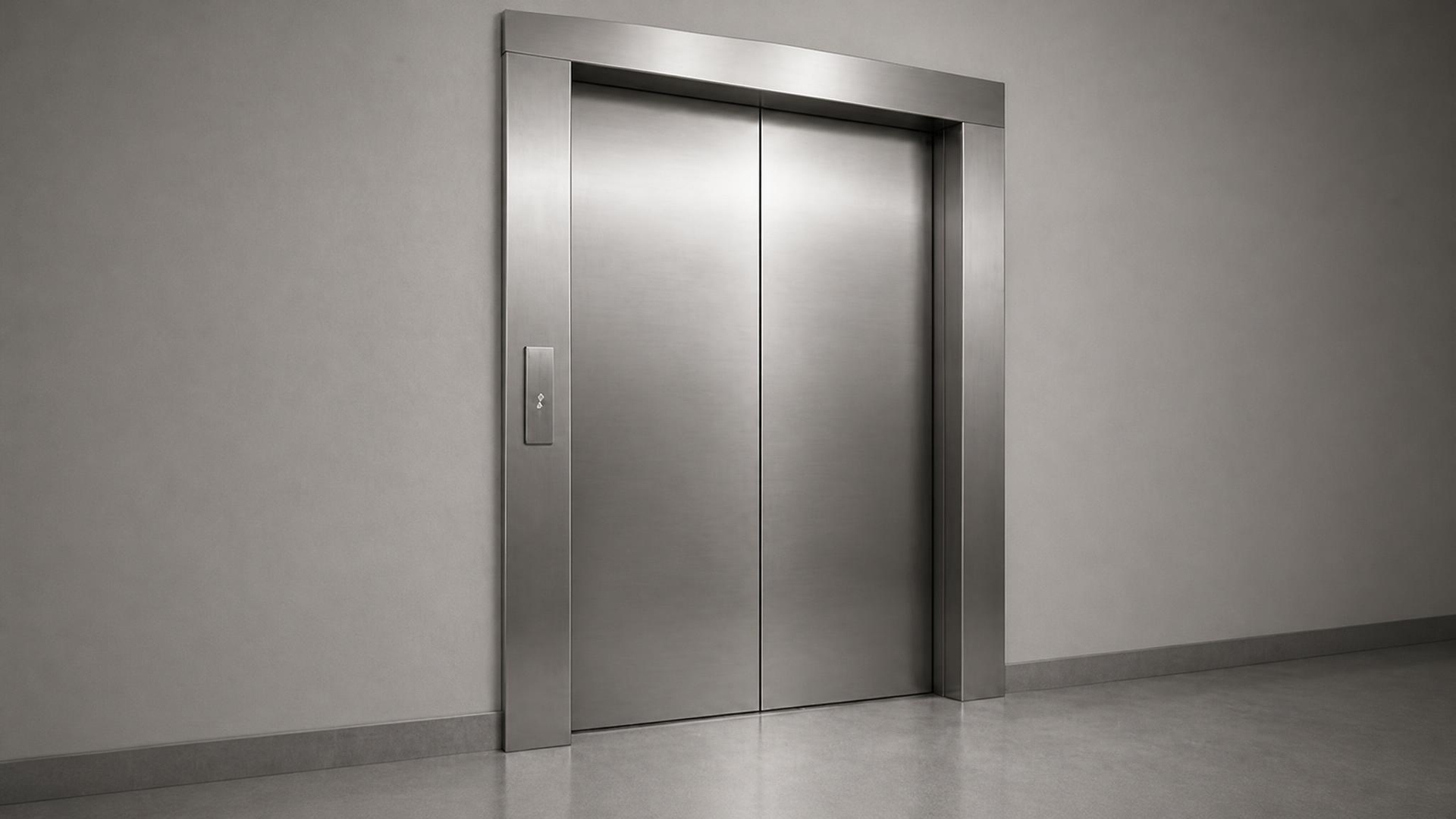
As urbanization accelerates, elevators—serving as vital vertical transportation in high-rise buildings—are seeing increased usage and longer service lives. Due to the complex environments in which they operate, metal elevator components are frequently exposed to contaminants, wear, and corrosion, necessitating regular cleaning and maintenance. Traditional cleaning methods, such as manual scrubbing or chemical cleaning, are not only inefficient but also prone to causing environmental pollution. The advent of ultrasonic cleaning machines offers a new solution for the cleaning and maintenance of these metal components.
I. Working Principles and Advantages of Ultrasonic Cleaning Machines
Ultrasonic cleaning machines utilize ultrasonic vibrations within a liquid medium to dislodge dirt and impurities from object surfaces, thereby achieving a cleaning effect. Compared to traditional methods, ultrasonic cleaning machines offer the following advantages:
1. High Cleaning Efficiency: Ultrasonic cleaners deliver effective results in a short amount of time, significantly boosting cleaning productivity.
2. Labor Savings: Unlike manual cleaning, ultrasonic cleaners automate the process, resulting in substantial savings on labor costs.
3. Eco-friendly and Pollution-free: Unlike chemical cleaning, ultrasonic cleaning requires no chemical reagents, thus avoiding environmental pollution.
4. Ease of Operation: Ultrasonic cleaning machines are simple to operate and require no specialized skills.
II. Application Areas for Ultrasonic Cleaning Machines
Beyond the cleaning and maintenance of metal elevator components, ultrasonic cleaning machines are applicable in various other sectors, such as automotive manufacturing, electronics, and medical equipment. Specific application scenarios for elevator components include:
1. Elevator Car Interior Cleaning: Elevator interiors are frequently exposed to dust, dirt, bacteria, and other contaminants. Ultrasonic cleaners can quickly and effectively remove these pollutants, maintaining a clean and hygienic environment inside the car.
2. Elevator Door Track Cleaning: Prolonged use leads to the accumulation of dust and debris in elevator door tracks, which can hinder smooth door operation. Ultrasonic cleaners can penetrate deep into the tracks to remove these contaminants, ensuring the elevator operates properly. 3. Cleaning of elevator traction sheaves and wire ropes: Prolonged use exposes elevator traction sheaves and wire ropes to contaminants such as oxidized grease and dust, which can lead to operational irregularities. Ultrasonic cleaners can remove these contaminants, thereby extending the service life of the traction sheaves and wire ropes.
4. Maintenance of surface coatings on elevator components: Wear or corrosion of surface coatings on elevator components can impair their performance. Ultrasonic cleaners can remove surface dirt and impurities without damaging the coating, helping to preserve the service life of the components.
III. Precautions for using ultrasonic cleaners
When using an ultrasonic cleaner, the following points should be observed:
1. Understand the item to be cleaned: Select the appropriate cleaning agent and parameters based on the material, structure, and type of contaminants present on the item.
2. Select the right ultrasonic cleaner: Choose a cleaner of suitable size and capacity for the items being processed to ensure effective ultrasonic coverage.
3. Adhere to safety protocols: Follow relevant safety guidelines during operation to ensure safety—for example, by strictly adhering to the required mixing ratio of cleaning agent to water and preventing liquid splashing.
4. Perform regular maintenance: Routinely inspect and maintain the ultrasonic cleaner to ensure proper operation; this includes tasks such as replacing filters and cleaning transducers.
5. Prioritize environmental protection: Minimize the generation of waste liquid and dispose of it in accordance with environmental regulations.