


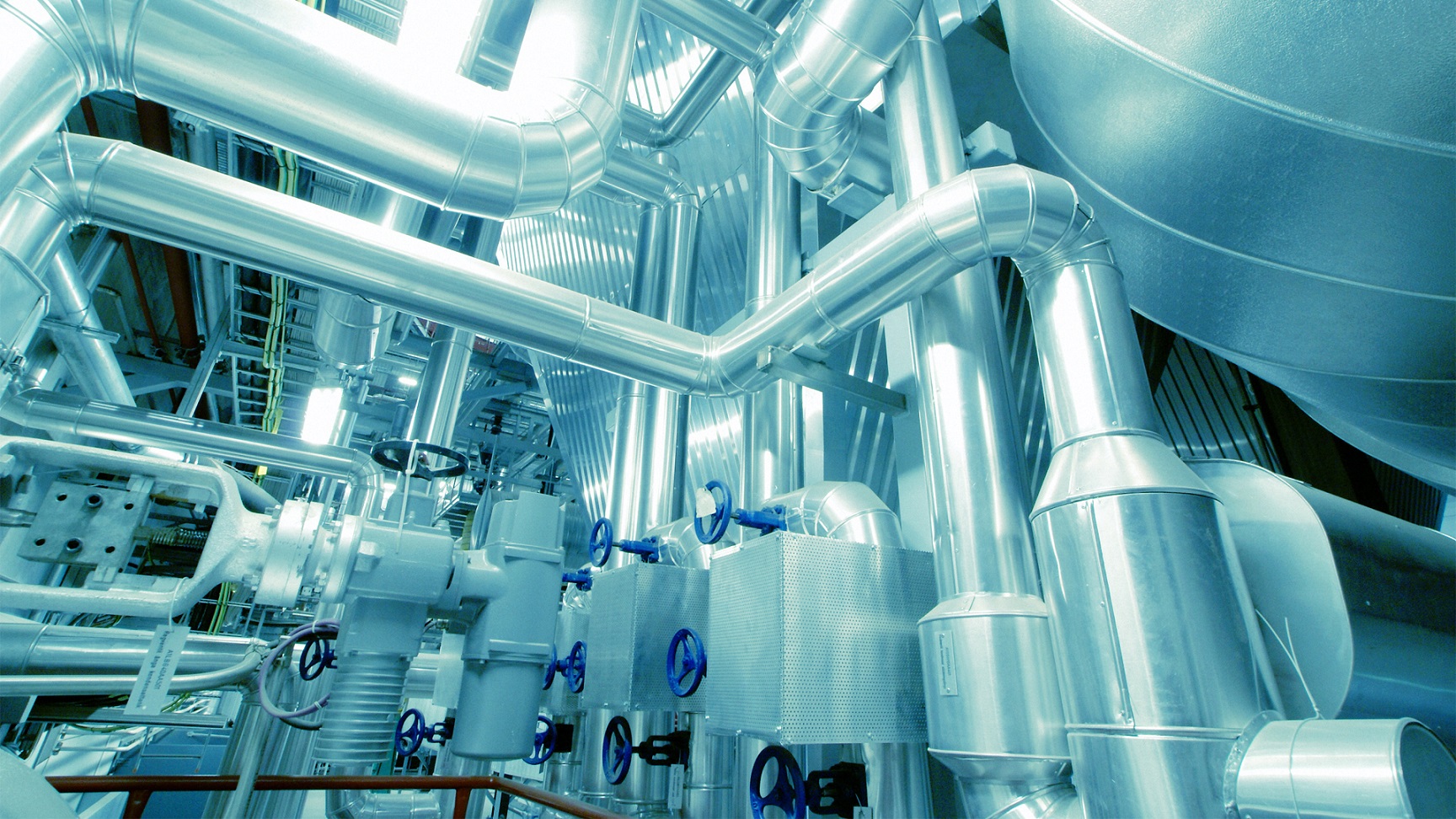
With the continuous development of the petrochemical industry, pipeline cleaning plays an increasingly important role in the entire industry. Ultrasonic cleaning machines, as an advanced cleaning technology, have significant advantages in pipeline cleaning. This article will elaborate on the advantages of ultrasonic cleaning machines in pipeline cleaning in the petroleum industry from four aspects: cleaning efficiency, cleaning effect, safety, and environmental protection.
I. Cleaning Efficiency:
Traditional pipeline cleaning methods mainly use chemical reagents or physical friction for cleaning, but these methods often require a lot of manpower and time. Ultrasonic cleaning machines utilize high-frequency sound waves to generate cavitation effects in the liquid, which can quickly remove stubborn dirt from the inside of the pipeline in a short time. Experiments show that the cleaning efficiency of ultrasonic cleaning machines can be several times or even ten times higher than traditional cleaning methods. This is very attractive to the petrochemical industry, which needs to complete cleaning tasks efficiently.
II. Cleaning Effect
1. Thorough cleaning: Ultrasonic cleaning machines can thoroughly remove stubborn dirt from the inner surface and welds of pipelines, whether it is rust, oil stains, or carbon deposits. This helps to ensure the cleanliness and smoothness of the inside of the pipeline, reduce fluid resistance, and improve pipeline transmission efficiency.
2. No damage to equipment: Traditional cleaning methods may cause some wear or damage to the pipeline, while ultrasonic cleaning machines do not cause any mechanical stress or wear to the pipeline, thus effectively extending the service life of the pipeline.
3. Strong adaptability: Ultrasonic cleaning machines can clean pipelines of different materials and diameters, demonstrating strong adaptability. In addition, ultrasonic cleaning machines can achieve efficient cleaning even in hard-to-reach corners or curved sections of pipelines.
III. Safety
1. Reduced safety hazards: Traditional chemical cleaning methods may introduce new chemical substances, posing certain safety hazards. Ultrasonic cleaning machines use purely physical methods for cleaning, eliminating the need for any chemical reagents, greatly reducing safety hazards.
2. Improved operational safety: Ultrasonic cleaning machines do not require high temperature, high pressure, or high-altitude work during operation, reducing the difficulty and risk of operation. At the same time, ultrasonic cleaning machines are simple and easy to operate; operators can master them after simple training. IV. Environmental Friendliness
1. Reduced Energy Consumption: Ultrasonic cleaning machines utilize high-frequency sound waves for cleaning, eliminating the need for heating or pressurization, thus effectively reducing energy consumption. This is highly attractive to the petrochemical industry, which advocates energy conservation and emission reduction.
2. Water Resource Conservation: Ultrasonic cleaning machines do not require large amounts of water during the cleaning process, and the wastewater can be recycled, significantly saving water resources and meeting environmental protection requirements.
3. Reduced Environmental Pollution: Compared to the chemical wastewater that may be generated by traditional cleaning methods, the wastewater from ultrasonic cleaning machines can be discharged after simple treatment, resulting in less environmental impact.
In summary, ultrasonic cleaning machines offer significant advantages in pipeline cleaning in the petroleum industry. They not only improve cleaning efficiency but also guarantee cleaning results, reduce safety hazards, and meet environmental protection requirements. With the continuous development of the petrochemical industry, the application prospects of ultrasonic cleaning machines in pipeline cleaning will become even broader.