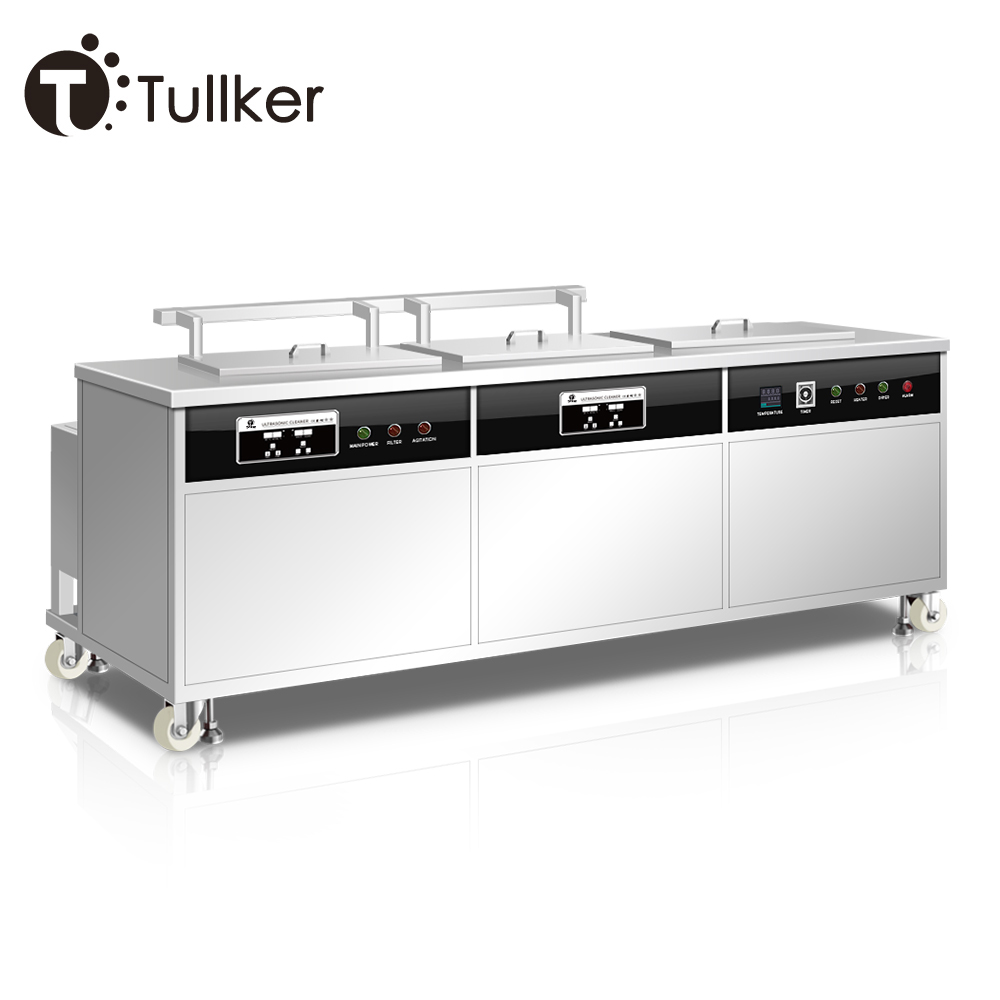



First, we need to understand what an ultrasonic cleaning machine is.
Ultrasonic cleaning machines utilize high-frequency sound waves to generate pressure vibrations, creating tiny bubbles and fissures in a liquid. These bubbles and fissures, upon rapid collapse, generate high temperatures and pressures, thus helping to remove dirt and bacteria adhering to the surface of objects. This cleaning method is highly efficient, environmentally friendly, and easy to operate.
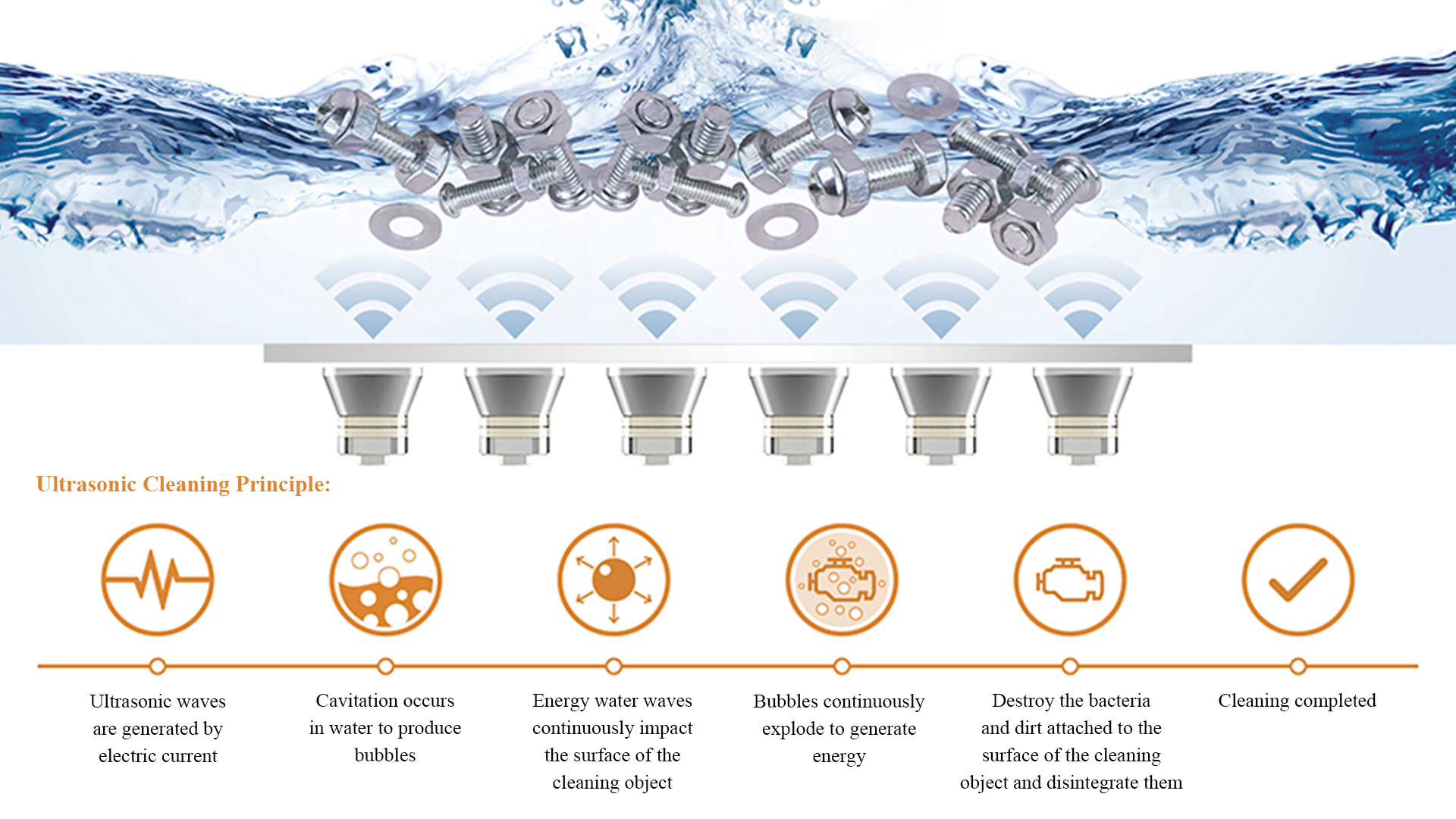
In the agricultural industry, ultrasonic cleaning machines can be widely used for cleaning and treating pesticide residues. The use of pesticides is essential in agricultural production, but excessive use or improper handling can lead to environmental pollution and human health problems. By using ultrasonic cleaning machines, pesticide residues can be significantly reduced, minimizing harm to the environment and human health.
Firstly, ultrasonic cleaning machines can improve cleaning efficiency. Traditional cleaning methods, such as manual cleaning or the use of conventional cleaning agents, may require considerable time and manpower, and the results are not ideal. Ultrasonic cleaners can remove stubborn pesticide residues in a short time, significantly improving cleaning efficiency.
Secondly, ultrasonic cleaners reduce the use of chemicals. Traditional cleaning processes may require various chemical cleaning agents, which can cause secondary pollution to the environment. Ultrasonic cleaners, however, do not use any chemicals; they only require water to complete the cleaning, making them environmentally friendly.
Furthermore, ultrasonic cleaners can improve the quality of agricultural products. By removing pesticide residues, agricultural products become safer and healthier, increasing consumer confidence and satisfaction.
Specific experimental results also demonstrate the effectiveness of ultrasonic cleaners in cleaning and treating pesticide residues. For example, one experiment compared the cleaning effects of ultrasonic cleaning and traditional cleaning methods on pesticide residues on apple surfaces. The results showed that ultrasonic cleaning could remove more than 90% of pesticide residues within 10 minutes, while traditional cleaning methods required 20 minutes to achieve the same effect.
In addition, another study on the impact of ultrasonic cleaning on pesticide residues in vegetables and fruits showed that ultrasonic cleaning can significantly reduce the amount of pesticide residues on the surface of agricultural products without negatively affecting their nutritional value. While ultrasonic cleaners offer significant advantages in agriculture, further research and improvement are still needed. For example, current ultrasonic cleaners may not be able to completely remove some new and difficult-to-remove pesticide residues. Furthermore, the parameters of ultrasonic cleaning may need to be adjusted to achieve optimal cleaning results for different types and conditions of agricultural products. Therefore, future research should focus on optimizing ultrasonic cleaning parameters and technologies to improve applicability and cleaning effectiveness for various agricultural products.
In summary, ultrasonic cleaners have enormous potential in agriculture, enabling us to treat pesticide residues more efficiently, environmentally, and safely, thereby improving the quality and safety of agricultural products. With further technological development and optimization, we expect ultrasonic cleaners to play an even greater role in agriculture in the future, making a greater contribution to promoting sustainable agricultural development and safeguarding human health.