


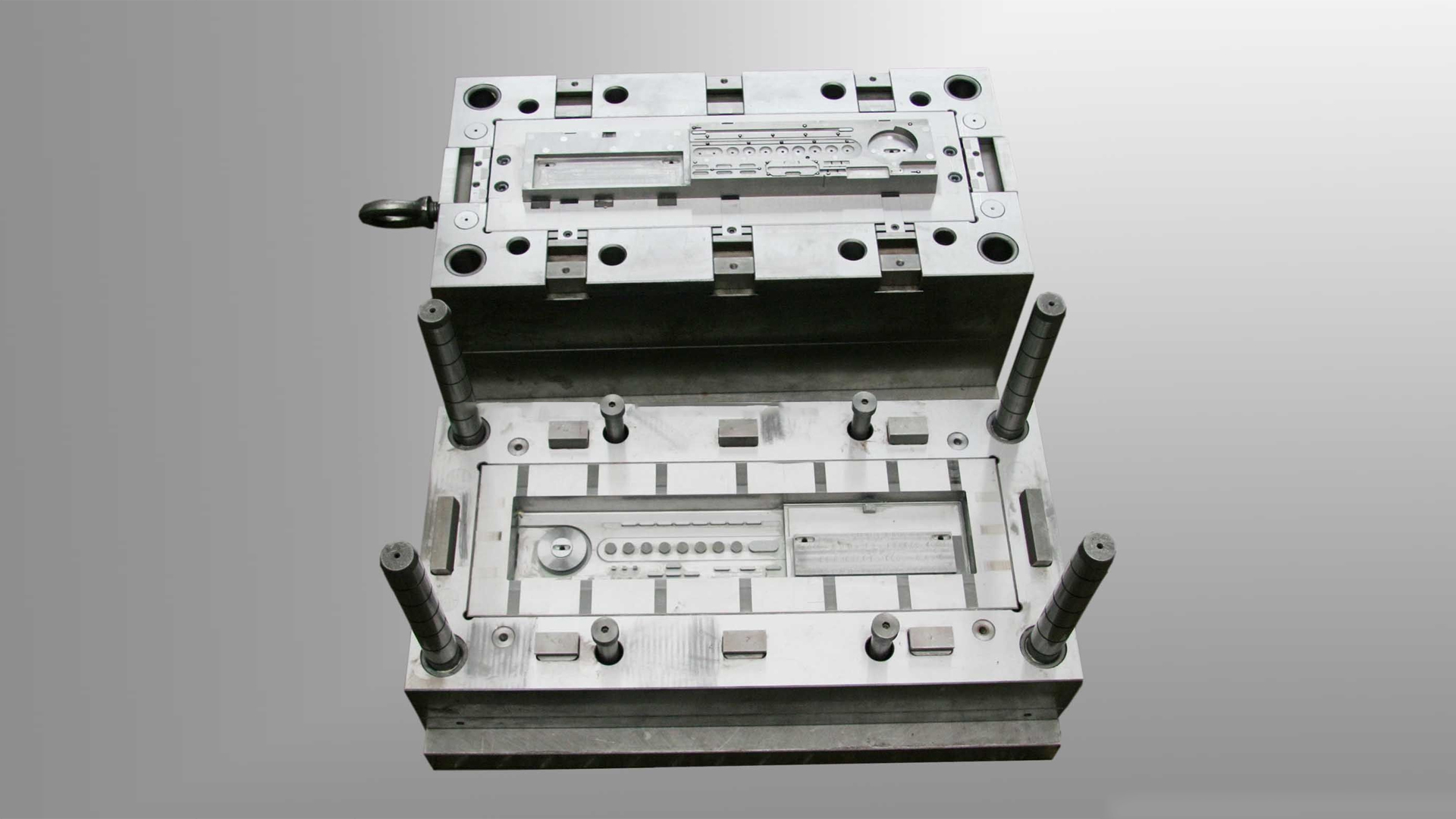
An ultrasonic cleaner is a device that uses ultrasonic energy to generate strong vibrations, thereby cleaning items. It is widely used in various industries, including machinery manufacturing, automotive repair, medical devices, and electronic equipment. Ultrasonic cleaners also demonstrate significant effectiveness in cleaning residues from plastic molds. This article will explore how ultrasonic cleaners solve the problem of cleaning residues from plastic molds.
I. Working Principle of Ultrasonic Cleaners
The working principle of an ultrasonic cleaner is to utilize the vibration of ultrasonic waves in a liquid to generate tiny bubbles. These bubbles rapidly expand and contract under the influence of sound pressure, generating a powerful impact force that cleans away dirt and residues adhering to the surface of items.
II. Challenges in Cleaning Residues from Plastic Molds
During use, plastic molds easily accumulate residues such as plastic particles, oil stains, and paint. These residues not only affect the lifespan of the mold but also the quality of the product. Traditional cleaning methods include soaking in chemical solvents and manual brushing, but these methods have drawbacks such as poor cleaning effect, low efficiency, and harm to operators. Therefore, finding an efficient, safe, and environmentally friendly cleaning method is crucial.
III. Application of Ultrasonic Cleaning Machines in Cleaning Residue from Plastic Molds
1. High-Efficiency Cleaning: Ultrasonic cleaning machines can quickly and effectively clean residues from the surface and cavities of plastic molds, significantly improving cleaning efficiency. Compared to manual cleaning, ultrasonic cleaning time can be reduced by several times or even more.
2. Safe and Environmentally Friendly: Ultrasonic cleaning machines use environmentally friendly cleaning agents, such as water and organic solvents, avoiding the use of toxic and harmful chemical solvents, thus reducing harm to the environment and operators.
3. Wide Applicability: Ultrasonic cleaning machines can clean not only plastic molds but also molds of other materials, such as metal molds and rubber molds. Furthermore, it can clean various parts, medical devices, electronic equipment, etc., demonstrating a wide range of applications.
4. Cost Savings: Using ultrasonic cleaning machines can reduce cleaning time and labor costs, while also extending the lifespan of molds, improving production efficiency, and saving costs for enterprises.
IV. Advantages of Ultrasonic Cleaning Machines
1. High Efficiency: Ultrasonic cleaning machines have high cleaning efficiency, quickly and effectively removing dirt and residues from the surface of items.
2. Environmental Protection: Ultrasonic cleaning machines use environmentally friendly cleaning agents, reducing harm to the environment and operators.
3. Safety: Ultrasonic cleaning machines use safe and environmentally friendly cleaning agents, are easy to operate, and reduce the dangers and inconveniences of manual cleaning.
4. Economy: Using ultrasonic cleaning machines can reduce cleaning time and labor costs, saving costs for enterprises.
V. Application Prospects of Ultrasonic Cleaning Machines
With the continuous development of industrial production, the application prospects of ultrasonic cleaning machines are becoming increasingly broad. In the future, with technological advancements and improvements, ultrasonic cleaning machines will become more efficient, safer, and more environmentally friendly, and will be applied and promoted in more fields.
In summary, ultrasonic cleaning machines are efficient, safe, and environmentally friendly cleaning equipment with significant advantages in cleaning residues from plastic molds. They improve and enhance traditional cleaning methods, not only increasing cleaning efficiency but also reducing harm to the environment and operators, thus possessing broad application prospects.