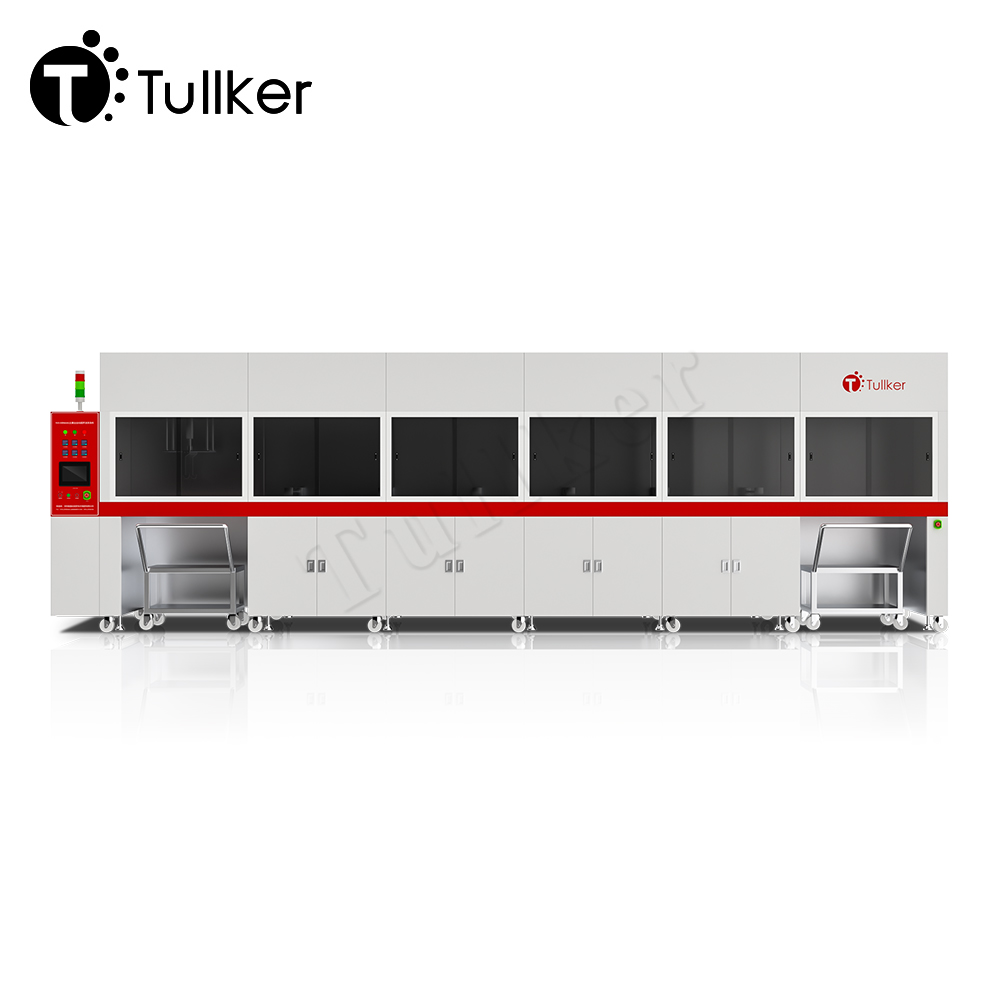


An ultrasonic cleaner is a device used for cleaning and tidying various items. It uses high-frequency sound waves to vibrate a liquid medium to remove dirt, dust, grease, and other contaminants from surfaces.
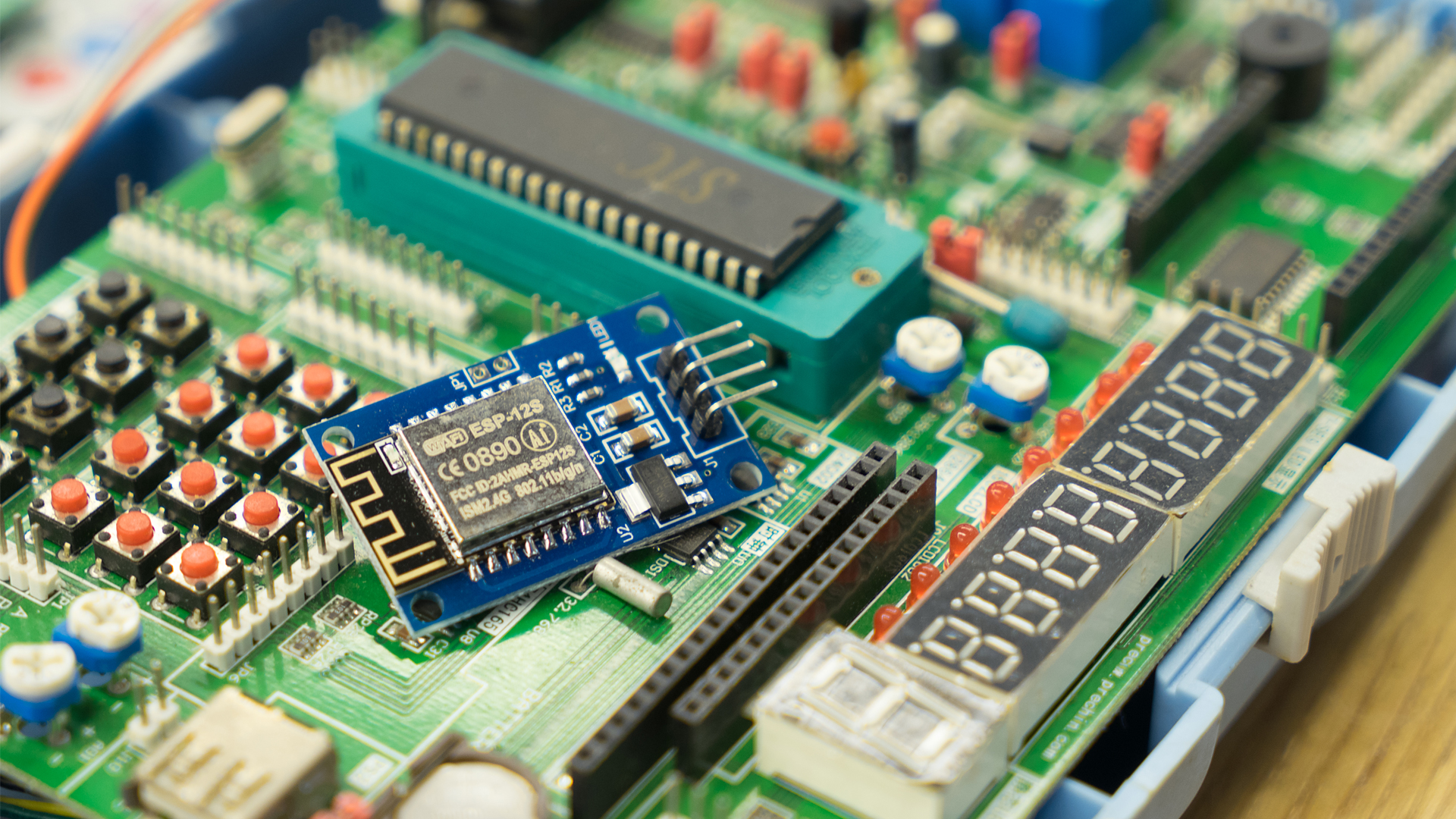
In recent years, with the increasing prevalence of surface adhesion problems on electronic components, ultrasonic cleaners have become an effective tool for solving this problem. Surface adhesion on electronic components refers to the accumulation of a layer of difficult-to-remove substances, such as dust, fingerprints, and oil, on the surface of electronic components due to factors such as surface deposition, oxidation, and adsorption. These problems can lead to adverse effects such as decreased electrical performance, poor heat dissipation, and reduced reliability of electronic components. Therefore, solving the problem of surface adhesion on electronic components is of great significance for ensuring the performance and reliability of electronic products.
The innovative methods of ultrasonic cleaners in solving the problem of surface adhesion on electronic components mainly include the following aspects:
1. High-efficiency cleaning: Ultrasonic cleaners use high-frequency sound waves to vibrate a liquid medium, generating tiny bubbles. These bubbles continuously contract and expand under the action of ultrasound, forming strong shock waves that can penetrate into corners and crevices that are difficult to reach on the surface of electronic components, effectively removing surface dirt and grease. Compared with traditional cleaning methods, ultrasonic cleaners have higher cleaning efficiency and can better meet the cleaning requirements of electronic components.
2. Surface Protection: Protecting the surface layer of electronic components is crucial for their performance and reliability. During the cleaning process, ultrasonic cleaners effectively protect the surface layer of electronic components by using appropriate cleaning agents and ultrasonic waves, preventing surface damage caused by corrosion from cleaning agents and the impact of ultrasonic waves. Simultaneously, the heating and drying functions of ultrasonic cleaners effectively prevent short circuits and corrosion caused by moisture on the surface of electronic components.
3. Automated Operation: Automated operation of ultrasonic cleaners significantly reduces the cost and error of manual operation. By using automated control systems and robotic arms, the ultrasonic cleaner can operate automatically, achieving full automation from cleaning to drying. This not only improves production efficiency but also reduces the impact of human factors on product quality.
4. Multiple Cleaning Agents: Ultrasonic cleaners can use different cleaning agents to address different types of surface deposits on electronic components. For example, organic solvents can be used as cleaning agents for non-polar substances such as grease and dust; acids or alkalis can be used for polar substances such as oxides and contaminants. By selecting appropriate cleaning agents, it is possible to better remove deposits from the surface of electronic components while avoiding damage to the surface layer. In summary, ultrasonic cleaning machines offer numerous advantages in addressing surface adhesion issues of electronic components, including high efficiency, surface protection, automated operation, and the availability of various cleaning agents. Using ultrasonic cleaning machines can better ensure the performance and reliability of electronic products, improve production efficiency, and reduce costs and errors. Therefore, when using ultrasonic cleaning machines to solve the problem of surface adhesion of electronic components, it is necessary to select and use them according to the specific circumstances to achieve the best cleaning results.
In conclusion, ultrasonic cleaning machines are an effective and innovative method for solving the problem of surface adhesion of electronic components, with broad application and market prospects. With continuous technological advancements, ultrasonic cleaning machines will continue to be improved and perfected, providing more efficient, safe, and environmentally friendly solutions for solving the problem of surface adhesion of electronic components.