


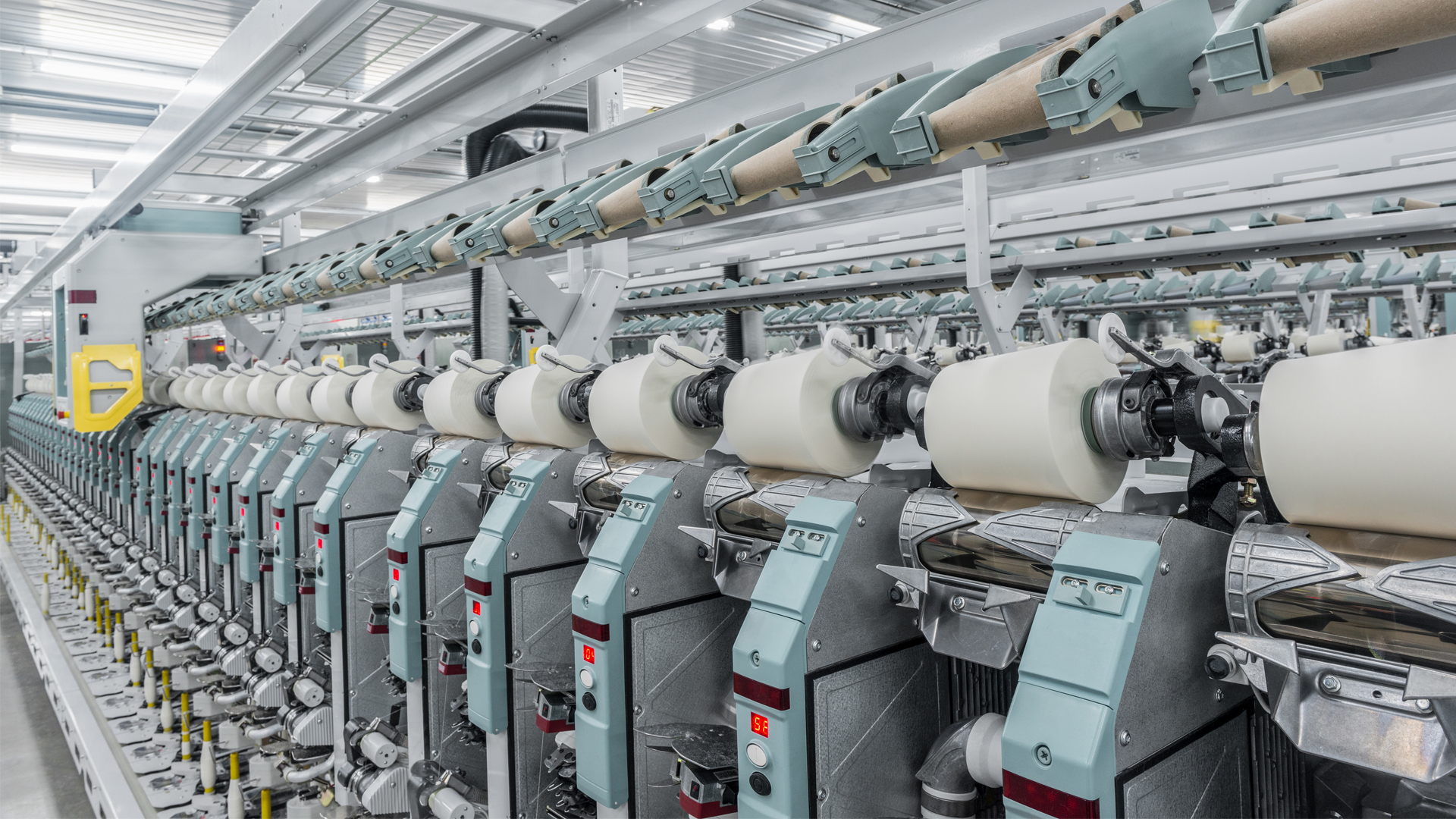
In the textile industry, the dissolution and cleaning of cellulose fibers is a crucial step. Traditional cellulose dissolution methods use strong acids and alkalis such as sulfuric acid and sodium hydroxide, which not only cause serious environmental pollution but may also harm human health. Therefore, developing an environmentally friendly and safe cellulose dissolution technology is one of the important tasks for the textile industry. Ultrasonic cleaning technology, as a novel cleaning technology, has advantages such as high efficiency, environmental friendliness, and safety, and has been widely used in various fields. This article will explore the application of ultrasonic cleaning machines in cellulose dissolution technology in the textile industry.
Cellulose is a linear polymer compound composed of glucose molecules linked by β-1,4-glycosidic bonds, and is one of the most abundant biomass resources in nature. Cellulose has wide applications in the textile industry, including cotton, linen, and bamboo fibers. However, the dissolution and cleaning of cellulose fibers has always been a significant problem in the textile industry. Traditional cellulose dissolution methods use strong acids and alkalis such as sulfuric acid and sodium hydroxide, which not only cause serious environmental pollution but may also harm human health. Therefore, developing an environmentally friendly and safe cellulose dissolution technology is one of the important tasks for the textile industry.
Ultrasonic cleaning technology is a cleaning technology based on ultrasonic vibration. Ultrasonic cleaning machines transmit ultrasonic energy to the cleaning fluid through high-frequency vibrations. This causes tiny bubbles in the cleaning fluid to expand rapidly and explode instantaneously, generating high pressure and high temperature that quickly remove dirt and contaminants adhering to the surface of objects, thus achieving the cleaning purpose. Compared with traditional cleaning methods, ultrasonic cleaning technology has advantages such as high efficiency, environmental friendliness, and safety, and has been widely used in various fields.
In the textile industry, ultrasonic cleaning technology can be used for the dissolution and cleaning of cellulose. By placing cellulose fibers in an ultrasonic cleaner, the high-frequency vibrations of ultrasound rapidly remove dirt and contaminants from the surface and interior of the cellulose fibers. Simultaneously, the high pressure and high temperature of the ultrasound also promote the dissolution of cellulose. Furthermore, ultrasonic cleaning technology can optimize the cellulose dissolution effect by adjusting parameters such as the pH value and temperature of the cleaning fluid. The application of ultrasonic cleaning technology in cellulose dissolution has been extensively researched and practiced.
Studies have shown that ultrasonic cleaning technology can effectively promote the dissolution of cellulose without adversely affecting the quality and performance of the cellulose fibers. Compared with traditional cellulose dissolution methods, ultrasonic cleaning technology not only reduces environmental pollution but also improves cellulose utilization and production efficiency.
In the textile industry, the application of ultrasonic cleaning technology requires consideration of factors such as equipment investment, operating costs, and ease of operation. While ultrasonic cleaning technology offers significant advantages in cellulose dissolution, its practical application necessitates a comprehensive evaluation based on specific production conditions and the company's actual situation.
In conclusion, ultrasonic cleaning technology holds significant value in cellulose dissolution within the textile industry. Ultrasonic cleaning machines not only effectively promote cellulose dissolution but also reduce environmental pollution and improve production efficiency. With continuous technological advancements and deeper practical applications, ultrasonic cleaning technology will play an even more crucial role in the textile industry.