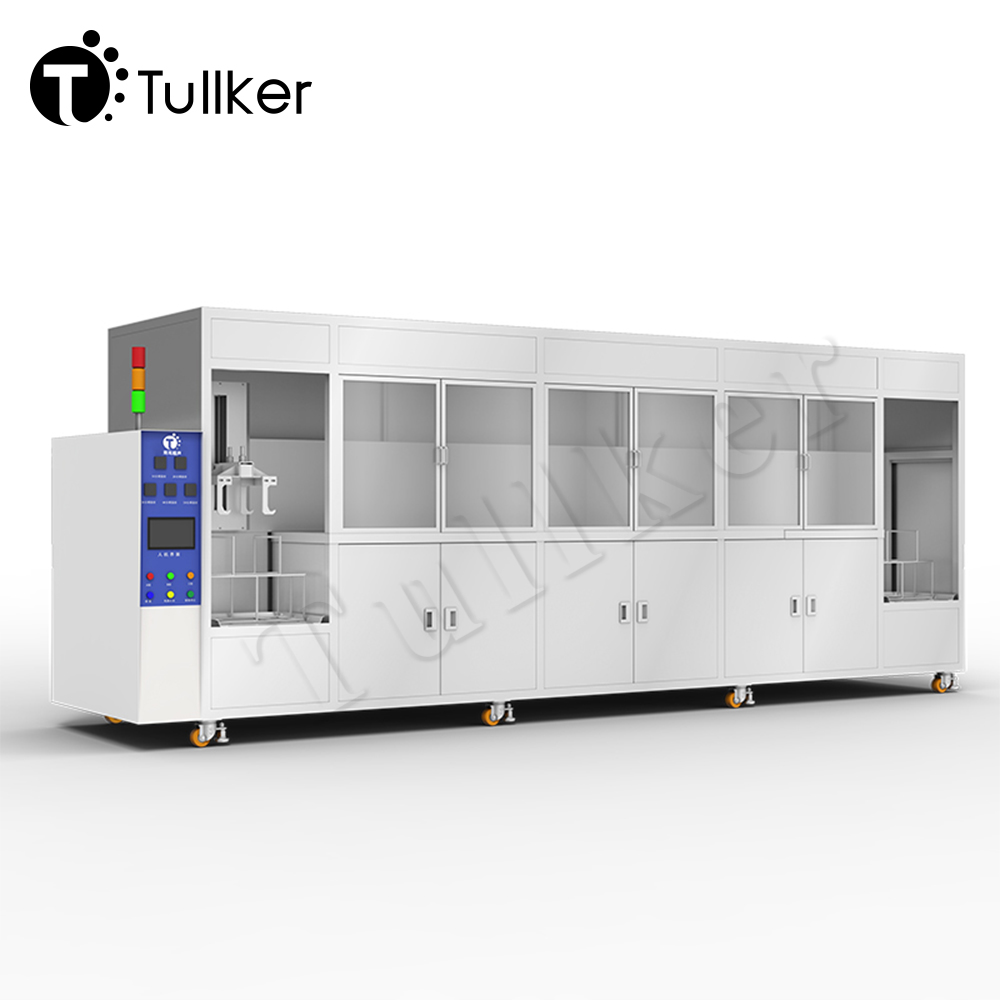


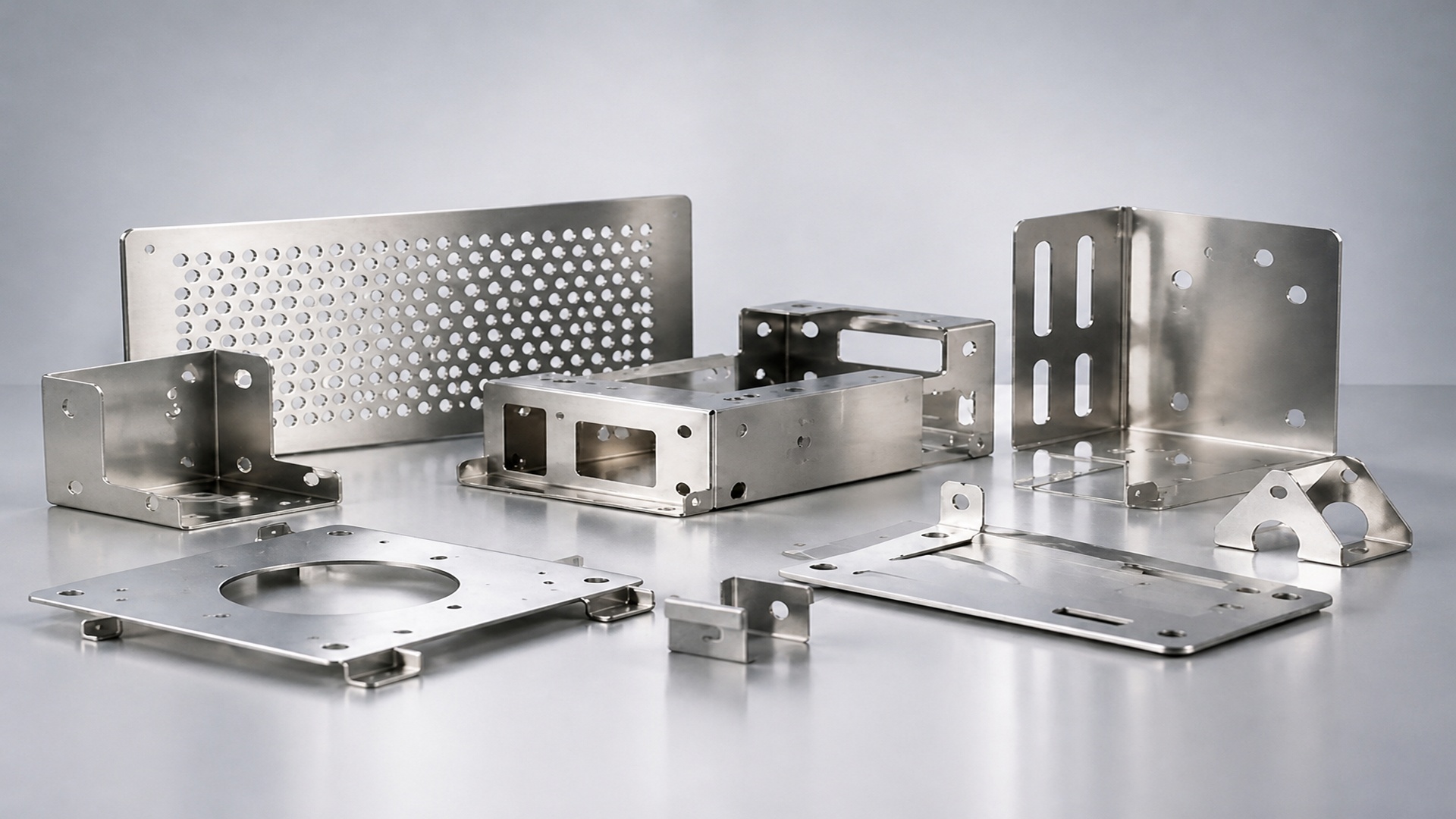
The Application of Ultrasonic Cleaners in Cleaning Metal Sheet Surfaces: With the rapid development of industrial production, the impact of surface cleanliness on the quality of metal sheet products has gained increasing attention.
Traditional cleaning methods—such as manual or mechanical cleaning—can remove surface contaminants to a certain extent; however, they often fall short when dealing with stubborn stains or hard-to-reach areas, necessitating more efficient cleaning technologies.
As an advanced cleaning solution, ultrasonic cleaners have become widely adopted for metal sheet surfaces due to their high efficiency, environmental friendliness, and energy-saving capabilities. This article explores the operating principles, advantages, and applications of ultrasonic cleaning technology.
I. Operating Principle of Ultrasonic Cleaners
Ultrasonic cleaners utilize the vibration and cavitation effects of ultrasonic waves within a liquid medium to dislodge contaminants from the surfaces of objects. Ultrasonic waves—sound waves with frequencies exceeding 20,000 Hz—generate vibrations and cavitation when introduced into a liquid, creating microscopic bubbles and shockwaves. As these bubbles rapidly expand and collapse, they release significant energy, effectively detaching contaminants from the object's surface.
II. Advantages of Ultrasonic Cleaners
1. High Efficiency: Ultrasonic cleaners can rapidly and effectively remove contaminants from metal sheet surfaces, thereby boosting production efficiency.
2. Cost-Effectiveness: Compared to traditional cleaning methods, ultrasonic cleaners help reduce expenses related to cleaning agents, labor, and time.
3. Environmental Friendliness: Ultrasonic cleaners typically use water as the cleaning medium; they do not produce harmful gases and are environmentally benign.
4. Versatility in Shape: These cleaners can process metal sheet components of various geometries, including those with intricate crevices, narrow gaps, or small holes.
5. Space-Saving: With their compact design, ultrasonic cleaners can be flexibly integrated into production lines, optimizing floor space.
III. Applications of Ultrasonic Cleaners
1. Cleaning Metal Products: Ultrasonic cleaners are extensively used for cleaning a wide range of metal products, including those made of copper, aluminum, iron, and stainless steel. For metal products with surface oxidation layers or coatings, ultrasonic cleaners can effectively remove these layers, revealing the original luster of the metal.
2. Cleaning optical components: Optical components are prone to contamination during use, which can impair their optical performance. Ultrasonic cleaners provide a quick and effective way to clean these components, restoring their optical performance.
3. Cleaning electronic components: Electronic components can easily become contaminated during the production process, affecting their performance and service life. Ultrasonic cleaners offer a rapid and efficient solution for cleaning these components, thereby enhancing their performance and extending their service life.
4. Cleaning aerospace components: Components used in the aerospace sector typically require high precision and a high degree of cleanliness. Ultrasonic cleaners can efficiently clean these parts, ensuring their performance and service life.
5. Cleaning medical devices: Medical devices are susceptible to contamination during use, which can compromise their performance and service life. Ultrasonic cleaners can efficiently clean these devices, improving their performance and extending their service life.
IV. As a modern cleaning technology, ultrasonic cleaners offer significant advantages for the surface cleaning of metal sheet components, including high efficiency, environmental friendliness, and energy conservation.
They are widely used for cleaning a diverse range of items, such as metal products, optical components, electronic components, aerospace parts, and medical devices.
As industrial production continues to evolve, ultrasonic cleaners will play an increasingly vital role in the surface cleaning of metal sheet components.