


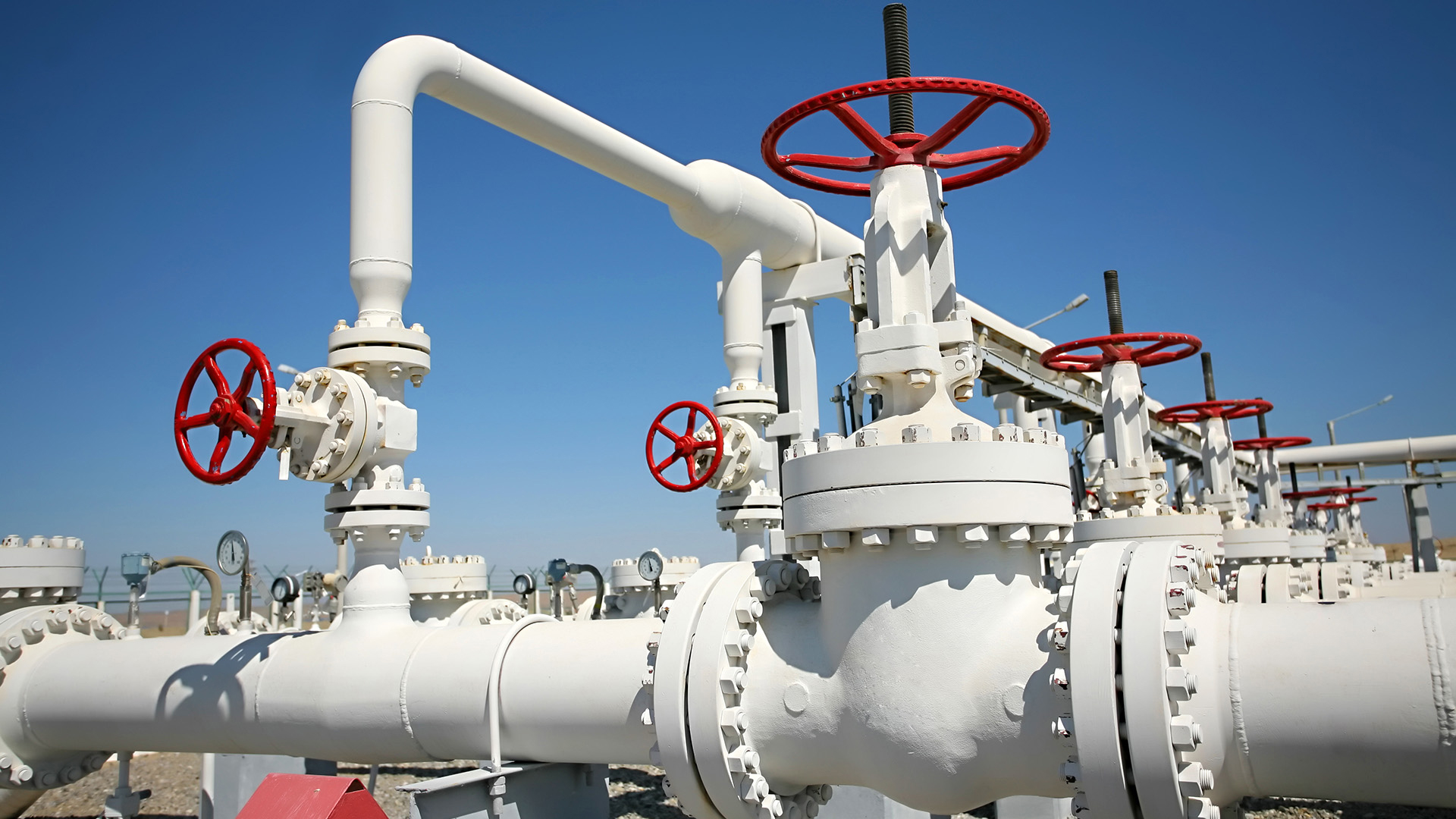
An ultrasonic cleaner is a device that utilizes high-frequency sound waves to generate vibrations for cleaning objects. Its cleaning principle involves converting ultrasonic energy into mechanical vibrations; these vibrations are transmitted through the cleaning fluid to loosen contaminants—such as dirt, oil, oxides, and sediment—from the inner and outer surfaces of the object, allowing them to be washed away by the fluid flow. Due to advantages such as superior cleaning results, speed, and savings in labor and water, ultrasonic cleaners are widely used in the cleaning of oil pipelines.
During the transport of oil products, various contaminants—such as oxides, deposits, and silt—accumulate on the inner walls of pipelines. These substances not only impair transport efficiency but also lead to corrosion and leaks, necessitating regular cleaning. Traditional cleaning methods primarily rely on chemical or physical processes, yet both have limitations: chemical cleaning requires large quantities of reagents that can pollute the environment, while physical cleaning is labor-intensive and inefficient. Ultrasonic cleaning effectively addresses these issues.
The application process for using an ultrasonic cleaner to clean oil pipelines is as follows:
1. Prepare the cleaning fluid: Add the appropriate amount of cleaning agent to the fluid to create a suitable cleaning solution.
2. Prepare the cleaning tank: Pour the cleaning fluid into the tank and place the oil pipeline to be cleaned into the tank.
3. Activate the ultrasonic cleaner: Connect the ultrasonic cleaner to the tank and turn it on to generate high-frequency vibrations.
4. Clean the pipeline: The vibrations from the ultrasonic cleaner transmit energy through the fluid to the pipeline's surfaces and interior, loosening contaminants so they can be washed away by the fluid flow.
5. Drain the cleaning fluid: Once cleaning is complete, drain the fluid from the tank and rinse the pipeline with fresh water.
6. Dry the pipeline: Wipe the pipeline dry with a clean cloth or use an air blower to dry it.
Following these steps completes the oil pipeline cleaning process. The application of ultrasonic cleaners in oil pipeline cleaning not only enhances cleaning effectiveness and efficiency but also reduces environmental pollution and risks to human health. Furthermore, ultrasonic cleaners offer the following advantages:
1. High Efficiency and Energy Savings: Ultrasonic cleaners can clean large areas quickly without requiring large quantities of water or chemical agents, thereby significantly lowering energy consumption and cleaning costs.
2. No Damage to Items: The cleaning process causes no mechanical damage or chemical corrosion to the items being cleaned, ensuring their longevity and safety.
3. Wide Range of Applications: Ultrasonic cleaners are suitable for cleaning items of various materials and shapes, including those made of metal, glass, ceramic, and plastic.
4. Ease of Operation: Ultrasonic cleaners are simple and convenient to operate; users need only follow the instructions provided.
Ultrasonic cleaners offer significant advantages and promising application prospects for oil pipeline cleaning; they not only improve pipeline transport efficiency and safety but also reduce environmental pollution and health risks.